
Retail IT Support: Keeping Store Operations Running with a Modern Service Desk


Retail operates at the speed of the customer. Whether a shopper is checking out at a point-of-sale terminal, browsing products online, or picking up an order placed through a mobile app, every interaction depends on reliable technology behind the scenes.
For retail IT leaders, this reality creates constant pressure: keep revenue-generating systems running without interruption. A failed POS terminal, inventory sync delay, or network outage doesn’t just disrupt internal workflows—it can stop sales entirely.
This is why a modern retail IT help desk is essential. With the right service management platform, retail IT teams can quickly resolve technical issues, coordinate support across multiple locations, and ensure store operations run smoothly across every channel.
Solutions like BOSSDesk® provide centralized retail service management, enabling IT teams to maintain uptime for mission-critical systems while delivering fast, efficient store IT support that keeps customers satisfied and revenue flowing.
In Retail, Every Second of Downtime Is Lost Revenue
Few industries feel the impact of IT disruptions as quickly as retail. When technology fails in a store environment, the consequences are immediate and visible.
A POS system downtime event can halt transactions, frustrate customers waiting in line, and cause employees to scramble for workarounds. Meanwhile, online systems must remain available 24/7 to support digital shoppers who expect seamless purchasing experiences.
Even short outages can carry high costs.
According to retail technology research covered by Retail TouchPoints, system downtime can quickly translate into lost sales, reduced customer loyalty, and operational disruption across multiple departments.
In-store technology failures affect:
Checkout systems
Inventory visibility
Mobile payment solutions
Loyalty programs
Digital signage
Customer service applications
For retailers with multiple locations or omnichannel operations, a single incident can quickly escalate into a company-wide disruption.
A modern retail IT help desk ensures issues are tracked, prioritized, and resolved quickly—before small problems become costly outages.
Key IT Challenges in the Modern Retail Environment
Retail IT departments manage a diverse technology ecosystem that spans stores, warehouses, e-commerce platforms, and corporate offices. Each environment introduces its own set of operational challenges.
Supporting POS Systems Across Multiple Locations
POS systems are the backbone of in-store commerce. When they fail, sales stop immediately.
Retail IT teams must maintain reliable support for:
POS terminals and payment processing
Barcode scanners and receipt printers
Payment card integrations
Software updates and patches
A structured retail service management system allows technicians to track recurring POS issues, identify patterns, and deploy solutions faster.
Managing Inventory and Supply Chain Systems
Inventory accuracy directly affects both customer satisfaction and operational efficiency.
Retailers rely on interconnected systems to track product availability across stores, warehouses, and online channels. If these systems fail or fall out of sync, the result can be stockouts, overselling, or delayed fulfillment.
An effective retail help desk ensures issues affecting inventory platforms are quickly escalated and resolved.
Maintaining Store Networks and Wi-Fi
Modern retail stores depend heavily on network connectivity.
Store networks support:
POS terminals
employee mobile devices
customer Wi-Fi
KDS systems
inventory scanners
security systems
digital displays
Even minor connectivity issues can affect multiple systems simultaneously, making fast diagnosis and resolution essential.
Supporting Mobile Devices and Associate Tools
Retail associates increasingly rely on mobile devices to serve customers. Tablets and handheld scanners allow employees to check inventory, assist customers, and process transactions from anywhere on the sales floor.
Supporting these devices requires responsive store IT support that can quickly address hardware issues, connectivity problems, or software errors.
Without a centralized help desk platform, these issues often go untracked or unresolved for too long.
How a Robust Help Desk Improves the Customer Experience
Retail IT operations ultimately serve one purpose: enabling a smooth and satisfying customer experience.
A modern help desk directly impacts the customer journey in several ways.
Faster Issue Resolution
With a centralized platform like BOSSDesk, retail IT teams can capture every incident in a structured ticketing system.
Tickets can be:
Automatically routed to the appropriate technicians
Prioritized based on store impact
Escalated for critical systems such as POS or payment gateways
This streamlined process dramatically reduces the time required to diagnose and resolve issues.
Proactive Monitoring and Reporting
Modern service desks provide visibility into system performance across all store locations.
IT teams can monitor trends such as:
Frequent POS failures
recurring network disruptions
device malfunctions
application errors
This data enables teams to address underlying causes before they affect operations.
Consistent Support Across Channels
Retailers today operate across physical stores, online platforms, and mobile apps. Supporting this ecosystem requires omnichannel IT support capable of managing incidents from every environment.
With centralized ticket management, IT teams can support both in-store and digital systems within the same platform—ensuring consistent service delivery across the entire retail operation.
Unifying Support for Stores, Warehouses, and Corporate
Retail organizations rarely operate from a single location. Instead, they manage distributed networks that include:
Retail storefronts
Distribution centers
Corporate offices
E-commerce infrastructure
Supporting this environment requires coordinated service management.
A modern ITSM platform like BOSSDesk helps unify support across all locations by providing a single platform for ticket management, asset tracking, and reporting.
Centralized Visibility
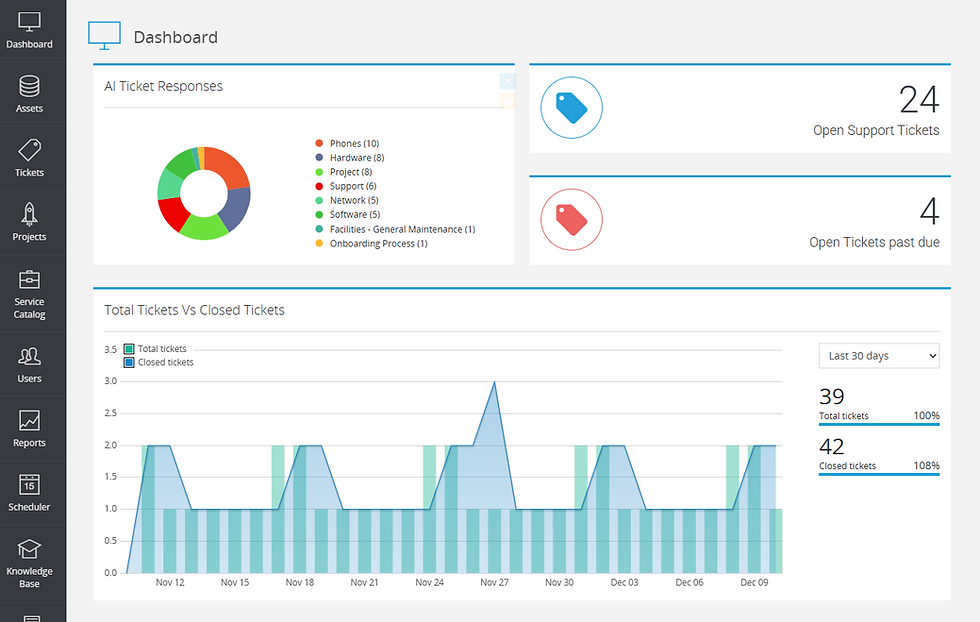
IT leaders gain full visibility into incidents affecting stores and operational systems.
This centralized dashboard enables faster decision-making and ensures critical issues receive immediate attention.
Standardized Processes
Using a unified service desk platform ensures every location follows consistent support procedures.
This includes:
standardized ticket workflows
consistent prioritization rules
shared documentation and knowledgebase articles
Consistency improves resolution times and reduces operational risk.
Scalable Support for Growing Retail Operations
As retailers expand into new markets or add new store locations, IT infrastructure becomes increasingly complex.
A scalable retail IT help desk allows organizations to support new stores, systems, and technologies without overwhelming internal IT teams.
Visualizing the Impact of POS System Failures
Retail downtime rarely affects just one system. When a POS terminal fails, the consequences ripple outward through multiple operational areas—often within minutes. What begins as a localized technical issue quickly escalates into a business-wide disruption that impacts revenue, employee productivity, inventory accuracy, and customer satisfaction.

From an IT perspective, the absence of a centralized ticketing system further complicates response efforts. Without real-time visibility, automated routing, and prioritization, IT teams struggle to assess severity, assign resources, and resolve incidents efficiently. This lack of coordination extends downtime and magnifies its effects across the business.
This cascading chain of events underscores a key reality: POS system failures are not isolated incidents—they are operational disruptions with enterprise-wide consequences. Visualizing this ripple effect highlights why rapid, structured incident response is essential in retail environments and sets the stage for understanding how modern service desk solutions can mitigate these risks.
FAQs
What is a retail IT help desk?
A retail IT help desk is a centralized service management system that allows IT teams to track, prioritize, and resolve technology issues affecting retail operations such as POS systems, networks, and e-commerce platforms.
How does ITSM help reduce POS downtime?
IT service management platforms automate ticket routing, prioritize critical incidents, and provide visibility into system health, allowing technicians to resolve issues more quickly and prevent recurring failures.
Why is omnichannel IT support important for retailers?
Retailers operate across stores, websites, and mobile platforms. Omnichannel IT support ensures technical issues affecting any channel can be managed within a single service management system.
How does BOSSDesk support retail IT operations?
BOSSDesk provides centralized ticket management, asset tracking, reporting, and workflow automation that help retail IT teams maintain uptime and deliver efficient support across multiple store locations.
Turn Your IT Support into a Competitive Advantage
Retail success depends on seamless technology. From POS terminals and inventory systems to mobile devices and e-commerce platforms, every component must function reliably to support customer transactions and operational efficiency.
A modern retail IT help desk enables organizations to manage incidents effectively, reduce downtime, and deliver consistent store IT support across distributed retail environments.
By implementing a centralized service management platform like BOSSDesk, retailers can transform IT support from a reactive necessity into a strategic advantage—one that protects revenue, improves customer experiences, and ensures smooth operations from the stockroom to the storefront.

Bob Gruett| BOSS Solutions
BOSSDesk Customer Success Manager
Bob is a Customer Success Manager at BOSS Solutions and a longtime advocate of BOSSDesk®. With a background in service desk implementation, documentation, and process automation, he helps organizations bring structure and efficiency to IT operations. Having successfully deployed BOSSDesk in his own environment before joining the company, Bob is passionate about helping teams streamline ticket management, inventory tracking, and support workflows through practical, user-focused solutions


Comments